Road trip
Pacific Coast Highway
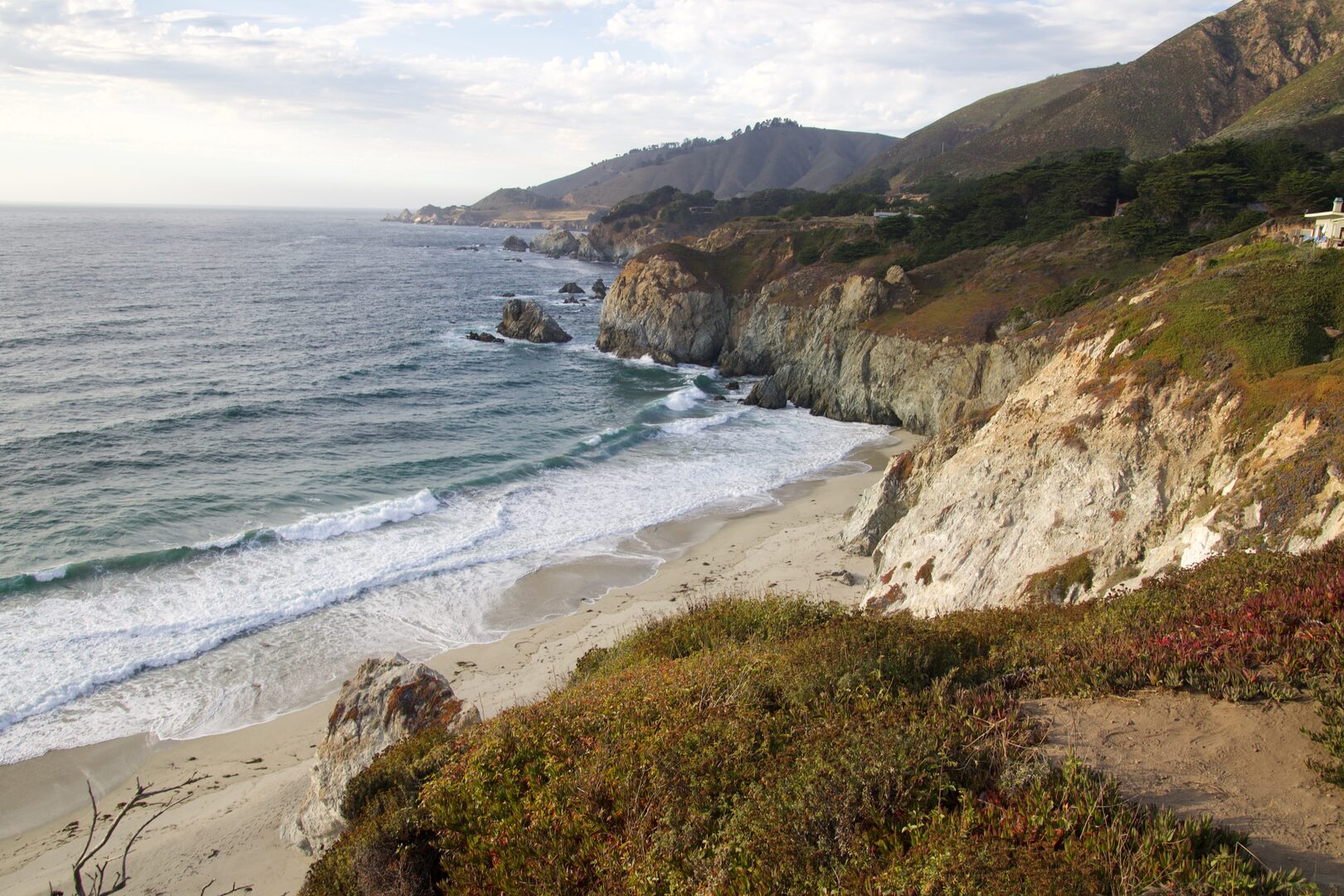
The drive that defines California. From San Francisco south through Big Sur to Los Angeles.
ExploreDestination guide
California is one of those places that exceeds expectations even when the expectations are already high. It is bigger than most British visitors imagine, more varied than any single itinerary can cover, and — with the right planning — one of the most rewarding long-haul destinations in the world.
The first thing to understand about California is the scale. The state is larger than the United Kingdom. Los Angeles to San Francisco is roughly the same distance as London to Edinburgh — except the drive takes you along one of the most spectacular coastlines on earth. Most British visitors severely underestimate how long things take, and overestimate how much ground they can cover comfortably in a fortnight.
The second thing to understand is that California rewards the visitor who slows down. The Pacific Coast Highway is better enjoyed over five days than two. Napa Valley is better with a week than a day trip. The state parks — Yosemite, Joshua Tree, Point Reyes — deserve proper time rather than a quick stop on the way to somewhere else.
The third thing — and this is where we come in — is that knowing California from the inside makes an enormous difference. The difference between where locals eat and where tourists are directed. The difference between the scenic route and the fast road. The difference between a hotel with a view and one that merely claims to have one.
California divides naturally into a handful of distinct regions, each worth exploring on its own terms. Most itineraries connect two or three of them — the Pacific Coast Highway is the thread that ties many of them together.
Northern California centres on San Francisco — compact, walkable, architecturally fascinating and the natural starting point for a road trip heading south. Wine country (Napa and Sonoma) is an hour north of the city and worth at least three or four days.
Central California is where the Pacific Coast Highway earns its reputation — Big Sur, Morro Bay, the dramatic clifftop stretches between Carmel and San Simeon. Monterey deserves more time than most visitors give it.
Southern California means Los Angeles — which is really a collection of distinct neighbourhoods rather than a single city. Santa Monica, Silver Lake, Los Feliz, Malibu, Venice — each has its own character. San Diego anchors the southern end and is often underestimated.
Insider knowledge
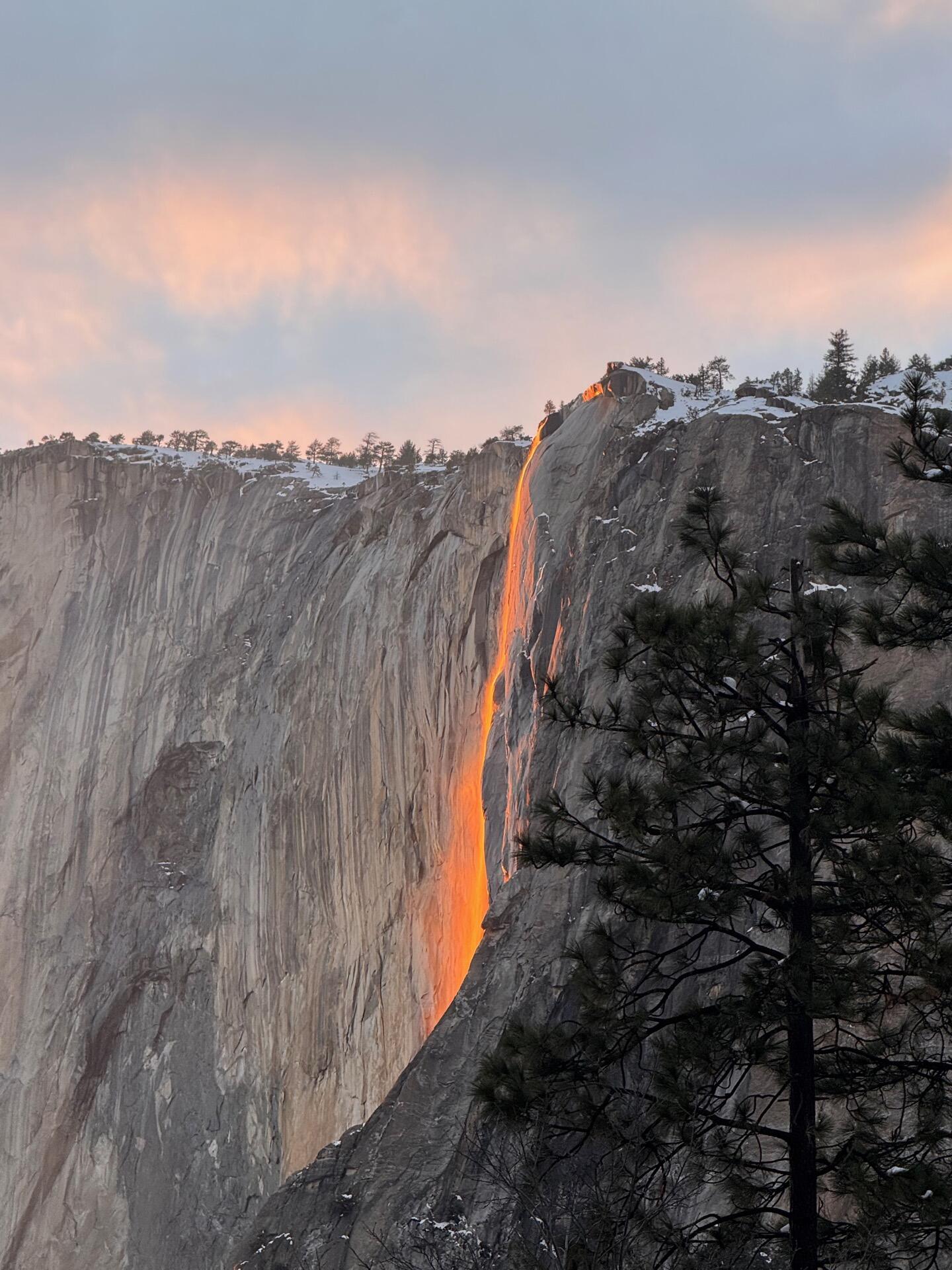
Every February, for roughly two weeks, Horsetail Fall on the east face of El Capitan is lit at sunset by the last light of the day — turning the waterfall a deep, molten orange that looks exactly like flowing lava cascading down the granite. Photographers call it the Firefall, and it is one of the most extraordinary natural spectacles in the United States.
The window is narrow — typically the second and third weeks of February — and it only works when the winter snowpack has kept Horsetail Fall running. It is also entirely weather dependent. A single bank of cloud at sunset and the effect simply does not happen. We know where to stand, when to arrive, and what to hope for. This photo was taken by Dan in February 2026.
Plan a trip around moments like this →Most British visitors make the mistake of treating California as a point-to-point trip. Fly into San Francisco, fly out of Los Angeles — or the reverse. The problem is that you spend the first two or three days jetlagged and disorientated, arriving into one of the most overwhelming cities in the world when what you actually need is a beach and a decent meal.
Our preferred approach: fly into Los Angeles and spend the first two to three days recovering in Orange County. Newport Beach, Huntington Beach or Laguna Beach — all within 45 minutes of LAX, all with the kind of relaxed, coastal atmosphere that makes jet lag feel almost pleasant. You arrive, you decompress, you remember why you came.
Once you're ready to move, the options open up depending on how much time you have and what you want to see.
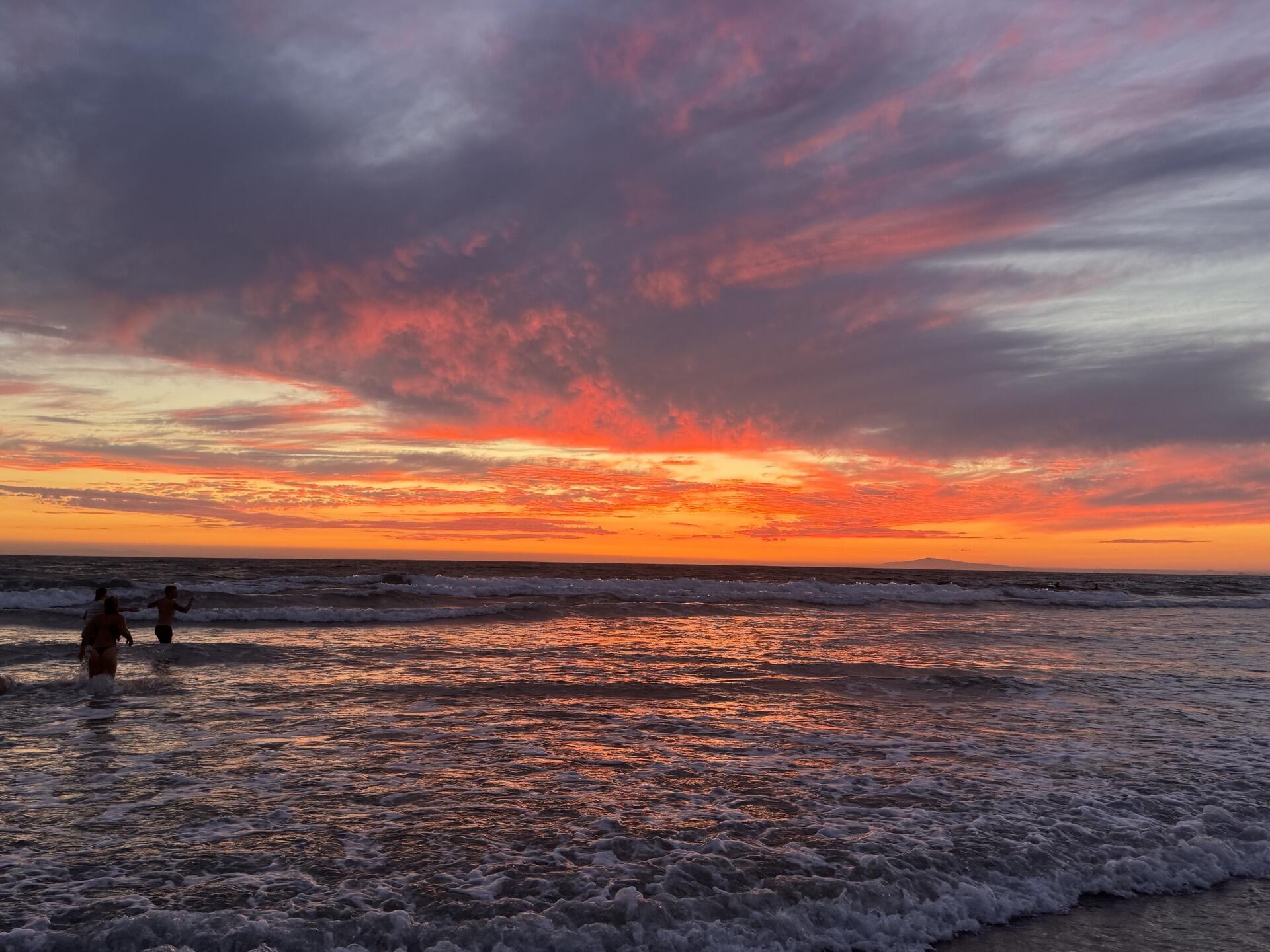
Newport Beach, Huntington Beach or Laguna Beach. Rest, recover, eat well. The beaches here are exactly what you imagined California to be — wide, clean, reliably sunny and entirely relaxed.
If theme parks are on the list, Disneyland, Knott's Berry Farm and Universal Studios Hollywood are all within easy reach of Orange County — better to do them early while you have energy than to bolt them on at the end of an exhausting trip.
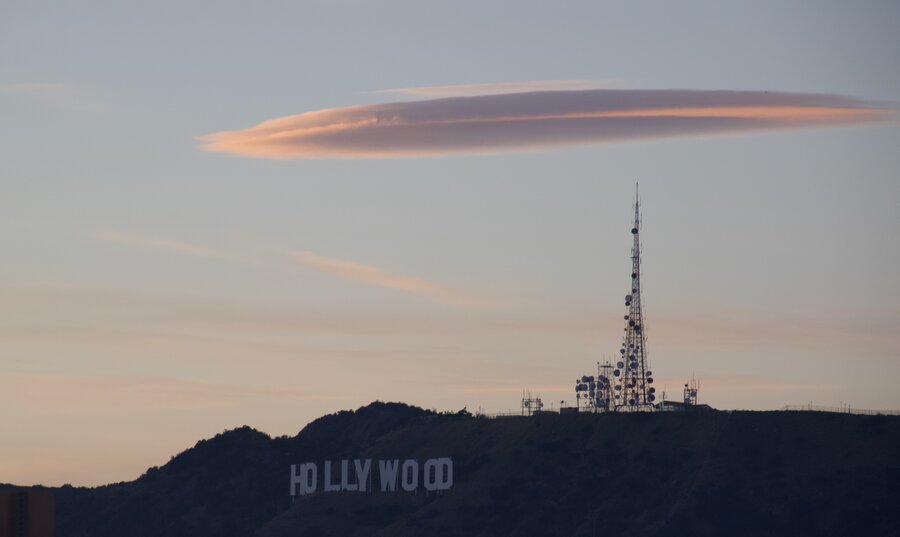
When you're ready for the city, take a morning drive through Bel Air and Beverly Hills — Rodeo Drive, the Hollywood Hills homes, Mulholland Drive if you have time. That evening, head up to Griffith Observatory for sunset. It is one of the great free experiences in Southern California: views across the entire LA basin as the city lights come on below you, and the Hollywood Sign close enough to photograph properly.
Dinner afterwards — the restaurants around Los Feliz, Silver Lake and West Hollywood are some of the best in the city across every price point. The following morning, head north through Malibu — the celebrity homes along Malibu Road and Carbon Beach are worth a slow drive before you leave the city behind.
Leave LA on the Pacific Coast Highway and don't be in a hurry. Santa Barbara is worth a stop — Spanish colonial architecture, excellent restaurants, and a completely different pace from Los Angeles. The contrast is striking even after just an hour on the road.
From Santa Barbara, continue inland to Solvang — a Danish village transplanted into the Santa Ynez Valley in the early twentieth century. Windmills, Danish bakeries, half-timbered buildings — genuinely charming and completely unlike anywhere else in California. Wine country surrounds it on all sides, and the Santa Ynez Valley produces some excellent Pinot Noir and Chardonnay.
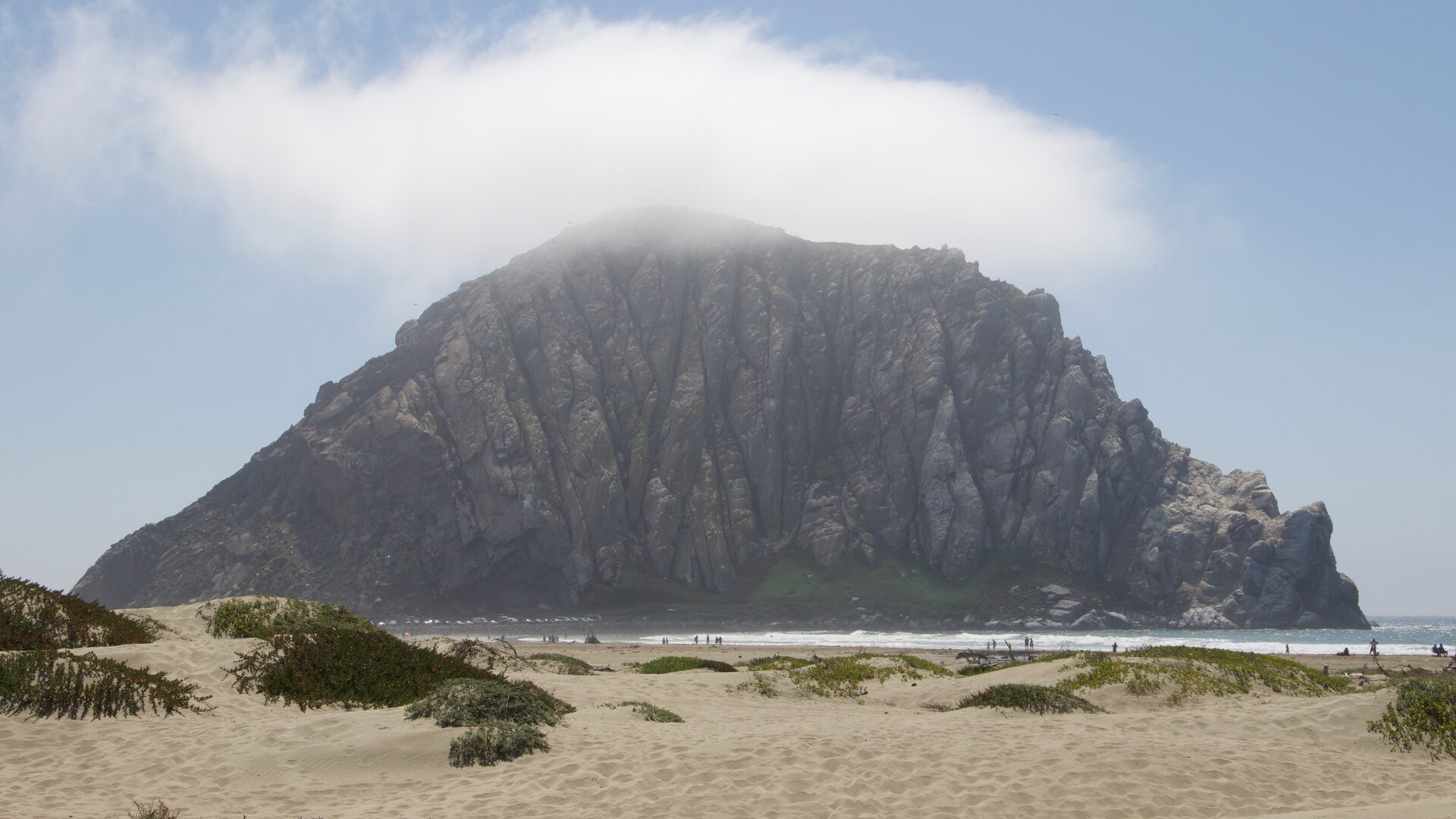
Morro Bay is worth a stop to see Morro Rock — a 23-million-year-old volcanic plug rising straight out of the bay, one of the more dramatic roadside sights in California. Stay in Cambria if you can — it sits on the clifftops above the ocean and has some excellent small restaurants and a genuinely lovely atmosphere.
Hearst Castle is nearby and worth half a day. William Randolph Hearst's hilltop mansion is genuinely extraordinary — a collision of architectural styles and periods that somehow works. The Neptune Pool alone is worth the visit: an outdoor swimming pool modelled on a Roman temple, with the Pacific Ocean visible on the horizon beyond.
Before leaving the area, stop at the Elephant Seal Vista Point just north of San Simeon. Hundreds of elephant seals hauled out on the beach, completely wild and completely indifferent to visitors. One of those unexpected California moments that stays with you long after the trip is over.
The stretch of Highway 1 between San Simeon and Carmel is the reason people drive the Pacific Coast Highway. Dramatic cliffs, the Pacific far below, redwood canyons dropping to the sea. Take your time — this is not a road to rush.
After a three-year closure caused by consecutive major landslides — Paul's Slide in January 2023 and Regent's Slide in February 2024, which cut off a seven-mile stretch between Lucia and Lime Creek — Highway 1 through Big Sur fully reopened on 14 January 2026. If you have read older travel advice suggesting you take the inland route, ignore it. The road is open and it is spectacular.
Carmel-by-the-Sea warrants at least one night — small, beautiful, excellent food, and one of those California towns that feels genuinely unlike anywhere else. Monterey deserves more time than most visitors give it.
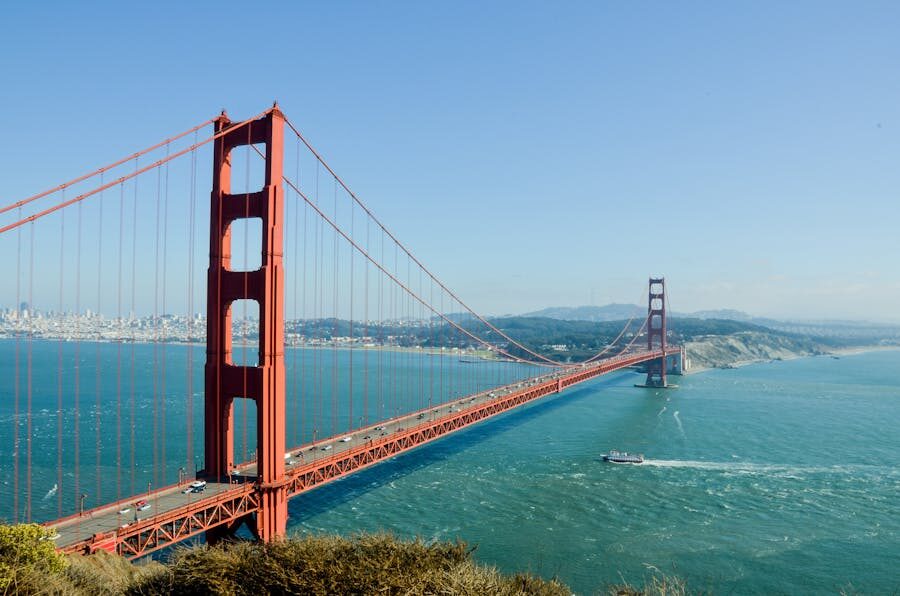
The essentials are well known — Golden Gate Bridge, Alcatraz, Fisherman's Wharf, the cable cars. Beyond them: Lombard Street, the Painted Ladies on Alamo Square, the Palace of Fine Arts.
A helicopter flight over the bay is one of the best things you can do in San Francisco. The scale of the Golden Gate becomes clear from the air in a way it never does from the ground, and the view of the city from above is unforgettable.
If your group includes anyone interested in technology, the drive south through San Jose, Palo Alto and Cupertino — past the Apple Campus, the Google headquarters, the Stanford campus — is worth the detour. It gives a different perspective on why California matters to the world beyond its beaches.
Adults who want to spend extra time in Napa or Sonoma should hire a driver or join a wine tour rather than driving themselves. Wine tasting and driving do not mix, and the roads through wine country are narrow. A day with a driver through the Napa Valley is one of the most enjoyable ways to spend a day in Northern California.
Do not skip the national parks. Yosemite Valley is one of those places that photographs cannot prepare you for — the scale of El Capitan and Half Dome seen from the valley floor is genuinely overwhelming the first time. Plan at least two nights, preferably three.
The Mist Trail to Vernal Fall and Nevada Fall is the best hike in the valley for most visitors — strenuous enough to feel like an achievement, spectacular enough to justify every step. Bridalveil Fall is worth the short walk from the car park. Yosemite Falls, the tallest waterfall in North America, is visible from the valley floor.
The Half Dome cables — the fixed rope route to the summit — require a permit applied for well in advance via lottery. The cables are only in place from May to October. Outside that window the climb is extremely dangerous; the granite becomes lethally slippery with even the slightest moisture, and people have died attempting it without cables.
Even within the season, people have died on the cables. This is a serious, strenuous undertaking that demands respect and proper preparation. Footwear matters enormously — never buy new hiking shoes for a trip like this. Break them in thoroughly at home over weeks before you travel. New shoes on a wilderness trail mean blisters, and blisters on a multi-hour backcountry hike can ruin a day that should be extraordinary.
For the Half Dome cables specifically, we strongly recommend approach shoes — a hybrid between hiking boots and rock climbing shoes with sticky rubber soles. The final section is sheer, smooth granite at a steep angle; standard hiking boots offer far less grip, and the difference matters when you're hundreds of feet off the ground.
Bears are present throughout the park. Store food correctly, know what to do if you encounter one, and follow the park guidelines. These are wilderness trails, not theme park attractions.
For accommodation: the Ahwahnee Hotel inside the park is exceptional but books out a year ahead. Mariposa, just outside the park boundary, is a lovely little town with good restaurants and serves well as a base.
Sequoia National Park is a two-hour drive south and is not optional. The General Sherman Tree is the largest living thing on earth by volume, and standing next to it is one of those experiences that recalibrates your sense of scale in a way that is difficult to describe and impossible to forget.
If you have three weeks or more, the natural extension from Sequoia or Yosemite is east and south into the American Southwest.
Death Valley on the way to Las Vegas — the lowest point in North America, the hottest place on earth, and genuinely beautiful in the early morning light when the colours of the salt flats and canyon walls are at their most vivid.
Las Vegas needs no introduction, but the surrounding area does. The Grand Canyon's South Rim is a four-hour drive. Zion National Park is two and a half hours. Bryce Canyon is four. Antelope Canyon near Page, Arizona is one of the most photographed places on earth — the photographs are accurate, which is rare.
Train enthusiasts and fans of the American West should consider the Grand Canyon Railway from Williams — a historic train that has been running to the South Rim since 1901. The journey takes just over two hours through high desert and ponderosa pine forest, and comes with a genuine piece of Wild West theatre: the train is held up by outlaws on the way out, with a horseback robbery and shootout performed alongside the carriages. Brilliant fun for families and genuinely entertaining for adults. El Tovar Hotel on the rim, built in 1905 and perched right on the canyon edge, is one of the great historic hotels of the American West — book well in advance.
Havasupai — the turquoise waterfalls deep in a Grand Canyon tributary — is extraordinary but requires permits released once a year that go within minutes. We can advise on timing and strategy if this is on your list.
The return to Southern California via Route 66 through Seligman is worth doing — the original road, largely unchanged, with diners and motels that feel like a film set because they essentially are.
The Winchester Mystery House in San Jose — Sarah Winchester's bizarre, labyrinthine mansion built continuously for 38 years, with staircases to nowhere and doors that open onto walls. Genuinely strange and genuinely worth visiting.
The Mystery Spot near Santa Cruz, where the laws of physics appear to misbehave. Devils Postpile near Mammoth Lakes — geometric basalt columns that look man-made and aren't. Mono Lake east of Yosemite, with its alien tufa towers rising from a salt lake that has no outlet to the sea.
Victoria Beach in Laguna Beach, with its privately built Pirate Tower accessible only at low tide — one of those Atlas Obscura discoveries that rewards the visitor who goes looking.
For film and television enthusiasts: Newport Beach was the setting for Arrested Development. Laguna Beach inspired the TV series of the same name. Top Gun was filmed at Miramar in San Diego. Countless films have used the streets of downtown LA, Venice Beach and Malibu.
We can build an itinerary around specific filming locations if that's your interest — it is a surprisingly effective way to structure a trip, and the locations are often more interesting in person than on screen.
Distances. Los Angeles to San Francisco is nearly 400 miles. People plan to "pop up to Yosemite" from LA as a day trip. It is not a day trip. It is five to six hours each way — and longer depending on traffic, time of day and the route. Plan overnight stays, not day trips. Build in more time than you think you need and resist the urge to cover too much ground.
Booking too late. Alcatraz sells out weeks in advance. The Ahwahnee in Yosemite books out a year ahead. Half Dome permits go in a lottery months before the season. Phantom Ranch at the bottom of the Grand Canyon — one of the most extraordinary places to spend a night in the United States — requires reservations made up to a year in advance. If you want the best experiences, plan accordingly.
Underestimating the heat. Death Valley in summer regularly exceeds 50°C. Hiking into the Grand Canyon in July without adequate water has killed experienced outdoors people. The national parks have strict guidelines for a reason. We make sure every client understands what conditions to expect before they set off.
Tipping. 20% in restaurants is standard and very much expected — not optional. Budget for it from the start. A week of restaurant meals will add meaningfully to your costs if you have not accounted for it.
Hiring a car is non-negotiable outside the major cities. California was built around the car in a way that most of Europe was not. Distances between attractions are significant, public transport outside city centres is limited, and much of what makes California worth visiting — the coastline, the national parks, the wine country back roads — is simply inaccessible without one.
British visitors adapt to driving on the right quickly. Roads are generally well-maintained and well-signposted. The main adjustment is the sheer scale of American roads — motorways (freeways) in California can have eight lanes in each direction.
Entry requirements: British citizens need an ESTA (Electronic System for Travel Authorization), not a visa. Apply at esta.cbp.dhs.gov before travel — costs $21, valid for two years.
Driving: A full UK driving licence is valid. Drive on the right. The speed limit on freeways is typically 65-70mph. Right turns on red are permitted unless signed otherwise.
Currency: US Dollars. Major credit cards accepted almost everywhere. Notify your bank before travel.
Tipping: Expected in restaurants (18-20%), taxis, hotels and many other services. Factor this into your budget.
Time difference: California is on Pacific Time — 8 hours behind the UK in winter, 8 hours behind in summer (California and the UK change their clocks at different times).
The drive that defines California. From San Francisco south through Big Sur to Los Angeles.
ExploreCompact, walkable and the natural starting point for a PCH road trip heading south.
ExploreEl Capitan, Half Dome, the Firefall. Landscapes that photographs cannot prepare you for — allow more time than you think you need.
ExploreThe stretch of coastline that explains why Californians never want to leave.
ExploreNewport Beach, Huntington Beach, Laguna Beach. The perfect landing spot for UK visitors — relaxed, sunny and exactly what California promised.
ExploreCalifornia is a year-round destination, but the sweet spot for most UK visitors is late spring (May-June) or early autumn (September-October). You avoid the peak summer crowds, the weather is excellent across the state, and prices are generally lower. Summer is perfectly fine — just expect more company at the popular spots.
Two weeks is the minimum to do California justice if you want to cover more than one or two areas. A fortnight gives you enough time for a proper Pacific Coast Highway road trip taking in San Francisco, Big Sur and Los Angeles. Three weeks opens up wine country, the national parks, Orange County and a Southwest extension into Las Vegas and the Grand Canyon.
British citizens do not need a visa for tourist visits to the United States. You will need to apply for an ESTA (Electronic System for Travel Authorization) before travel, which costs $21 and is valid for two years. We advise applying at least 72 hours before departure, though most applications are approved within minutes.
Yes — a full UK driving licence is valid for driving in California. You do not need an International Driving Permit for the United States, though some car hire companies may ask for one. We recommend carrying your UK licence, a credit card in your own name, and your booking confirmation. Americans drive on the right, which most British visitors find straightforward after the first day.
Hiring a car is by far the best way to explore California, particularly outside the major cities. Public transport between cities is improving but remains limited compared to Europe. San Francisco has an excellent public transport system within the city, and Los Angeles is more navigable than its reputation suggests — but for anything beyond city limits, a car is essential.