Film locations
Pulp Fiction (1994)
About this film
Pulp Fiction is not a tour of Los Angeles landmarks. It is a tour of the city underneath the landmarks — the diners, the strip malls, the residential streets in the hills, the parts of the city that most visitors drive past without stopping. Tarantino shot almost entirely on location in 1993 and the Los Angeles he captured is specific, real and largely still recognisable. The film does not glamorise the city. It simply uses it, and that is what makes its locations worth finding.
Hawthorne Grill
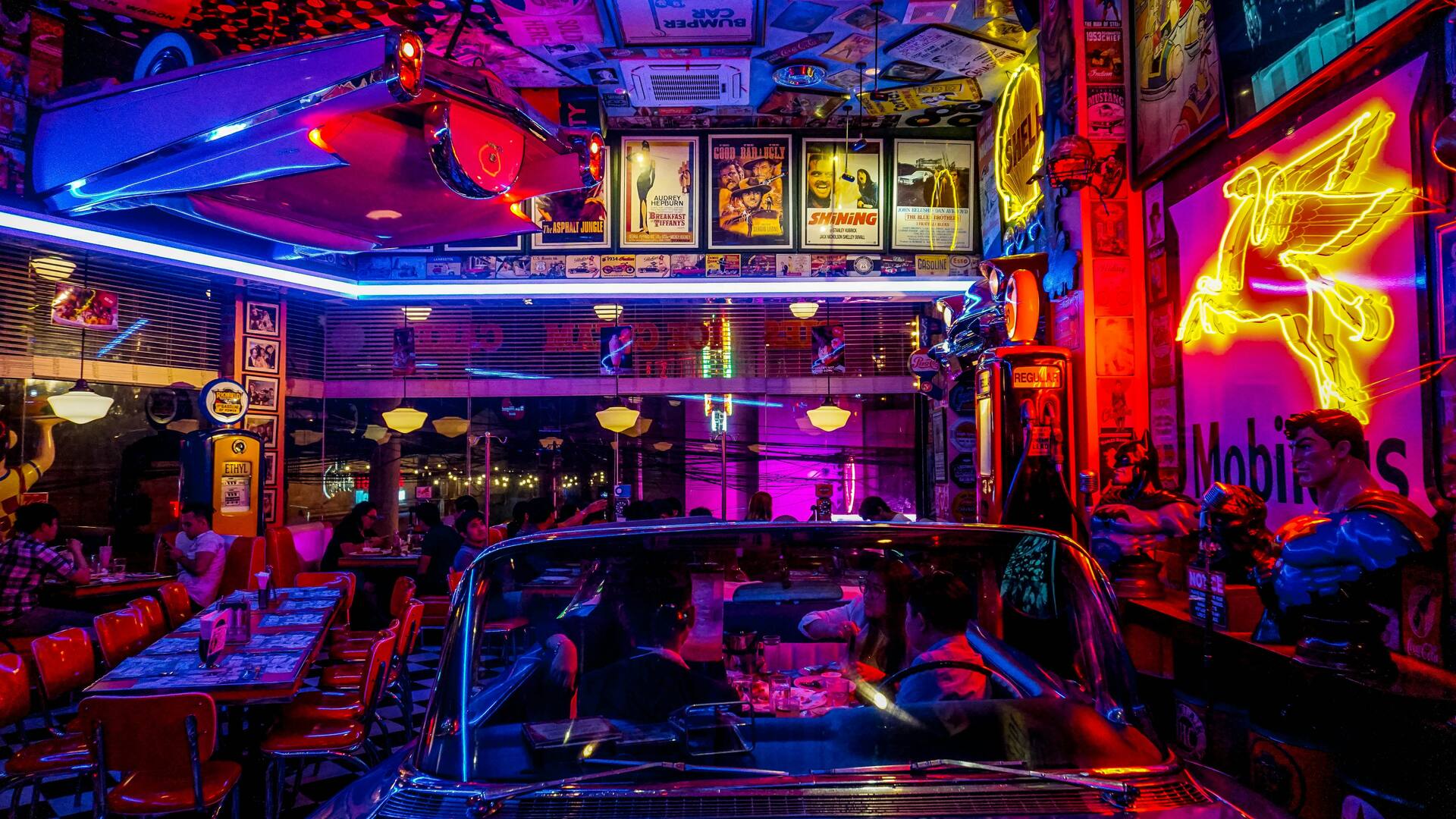
The coffee shop where the film opens and closes — Pumpkin and Honey Bunny’s hold-up, Vincent and Jules eating breakfast — was the Hawthorne Grill at 13763 Hawthorne Boulevard in Hawthorne, south of LAX. The restaurant was a classic Googie-style diner from the 1950s, all angular rooflines and plate glass, and it looked exactly as Tarantino filmed it. The Hawthorne Grill was demolished in 2000 and the site is now a strip mall. Nothing remains of the original building.
The demolition is a loss — the Googie style was a defining piece of mid-century Los Angeles architecture and the Hawthorne Grill was one of its better surviving examples. The Pann’s Restaurant on La Cienega Boulevard near LAX is the closest surviving equivalent — same era, same Googie style, still operating and still serving the kind of diner food that the film made iconic.
Visiting: The Hawthorne Grill site at 13763 Hawthorne Boulevard has nothing to see. For the Googie diner experience, visit Pann’s Restaurant at 6710 La Cienega Boulevard — open daily for breakfast and lunch, no reservations, and the architecture alone is worth the trip.
Griffith Park
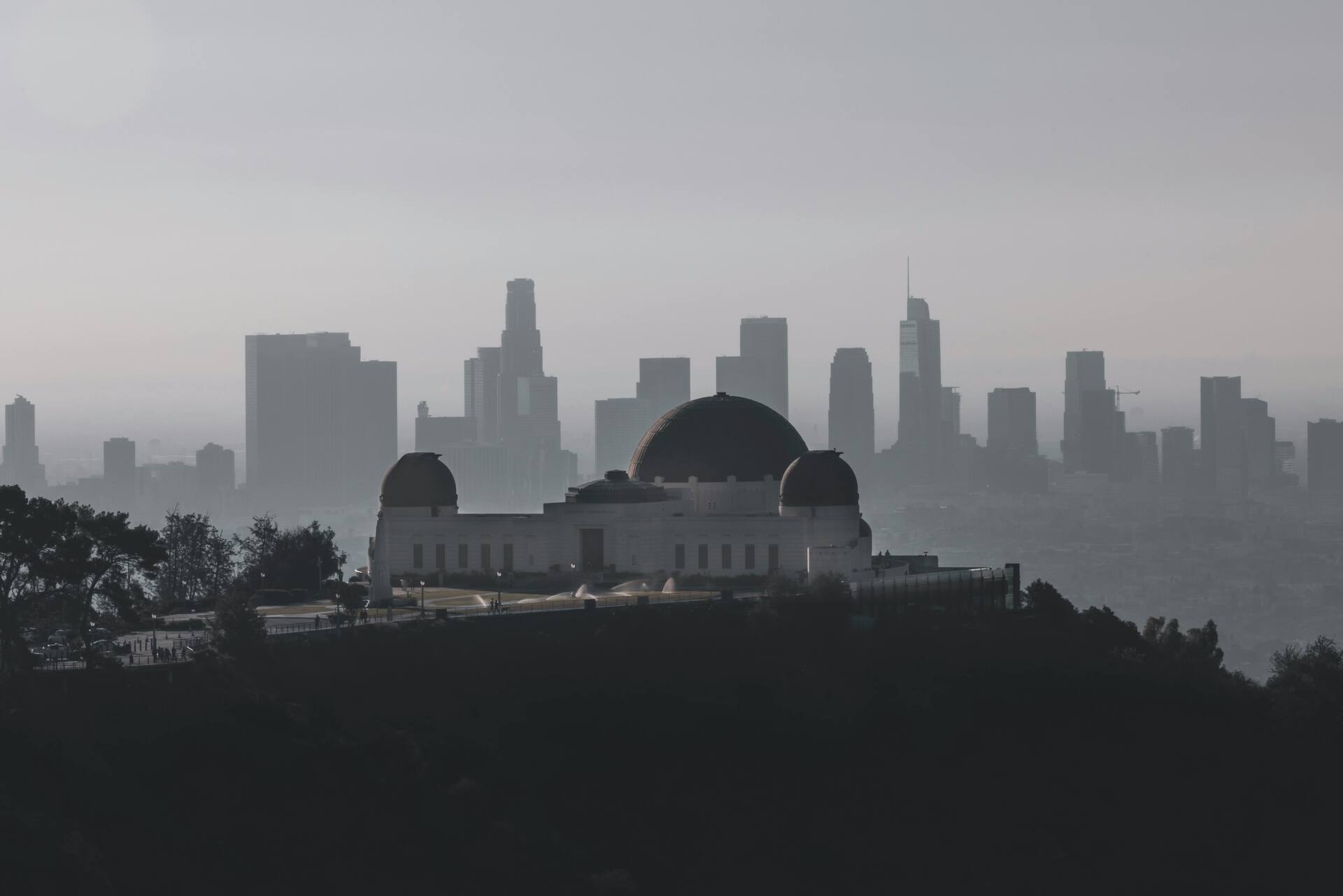
The scenes of Butch’s apartment and the surrounding neighbourhood were filmed in and around the streets below Griffith Park on the east side of the Hollywood Hills. The area — Los Feliz and Silver Lake — is one of the most characterful neighbourhoods in Los Angeles, a mix of 1920s apartment buildings, hillside bungalows and independent shops that still looks much as it did in the early 1990s. Tarantino lived in the area when he wrote the screenplay and the locations are drawn from his own neighbourhood.
Griffith Park itself is the largest urban park in the United States — 4,310 acres of hills, trails and open space with the Griffith Observatory at its southern peak. The park gives the best free panoramic view of Los Angeles and is worth visiting regardless of any film connection.
Visiting: Los Feliz and Silver Lake are best explored on foot from Vermont Avenue or Hillhurst Avenue. The neighbourhood has good coffee shops and restaurants. Griffith Observatory is free to enter and open Tuesday to Sunday — the sunset view over the basin is exceptional.
Downtown Los Angeles
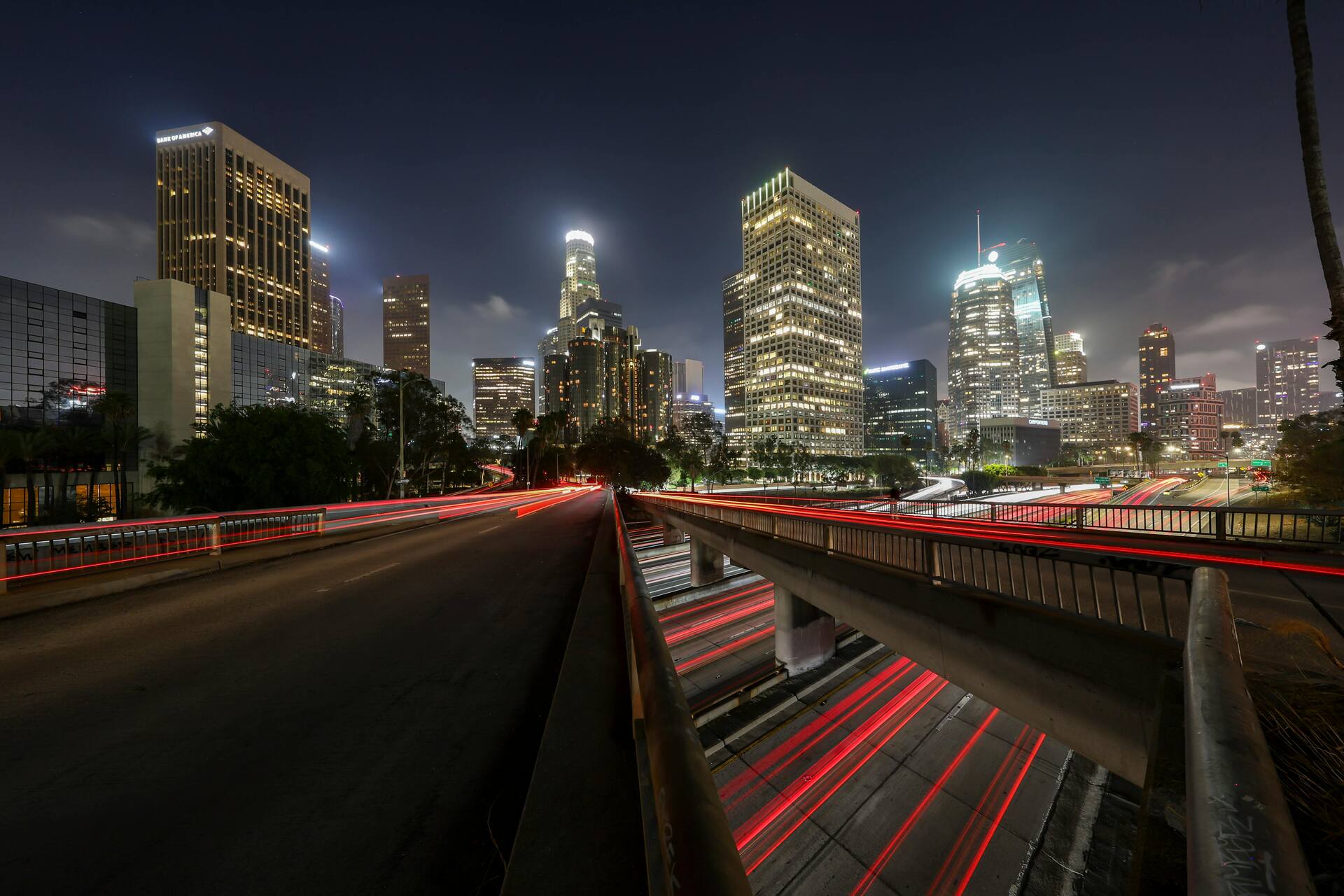
Several sequences were filmed in and around downtown Los Angeles — the pawn shop scene, the cab rides, the street-level exteriors. Downtown LA in 1993 was a very different place from the revitalised district it is today. The Arts District, now full of galleries and restaurants, was largely industrial. Broadway, now a fashionable corridor, was run-down. The transformation makes it harder to match specific locations from the film, but the street grid and many of the buildings remain.
The Bradbury Building on South Broadway — one of the most photographed interiors in Los Angeles, with its extraordinary Victorian atrium of wrought iron and glazed brick — was not used in Pulp Fiction but is a five-minute walk from several filming locations and is the kind of hidden architectural landmark that rewards the visitor who goes looking.
Visiting: Downtown LA is served by Metro Rail. The Arts District, Broadway and the Historic Core are all walkable from each other. Grand Central Market on South Broadway is a good base point — dozens of food vendors in a building that has operated since 1917.
Hollywood Hills
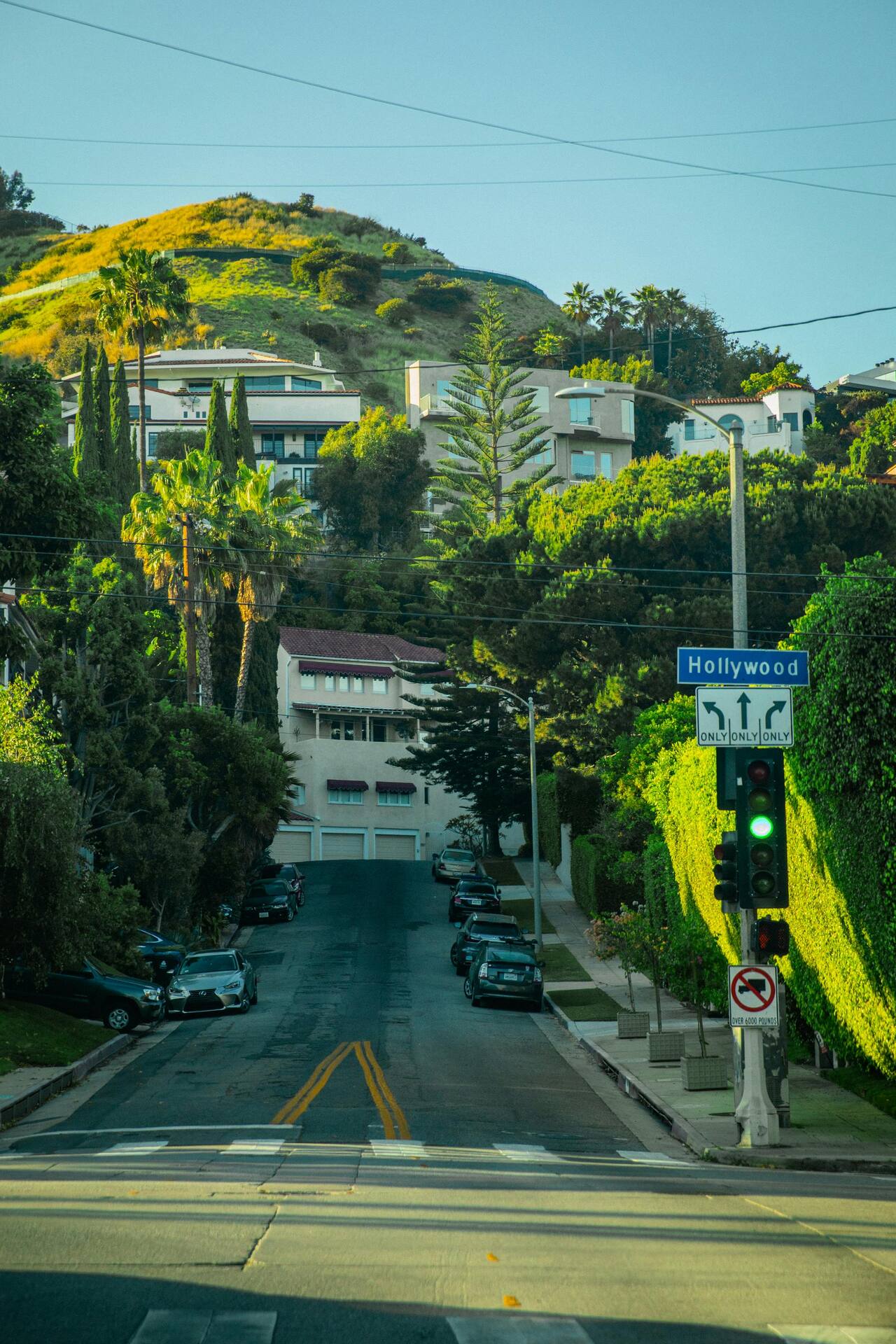
Marsellus Wallace’s house and several of the residential exteriors were filmed in the Hollywood Hills — the winding roads above Hollywood Boulevard where the houses sit on steep lots with views over the basin. The specific houses used in the film are private residences and not publicly accessible, but the neighbourhood itself is part of the Los Angeles experience. Mulholland Drive, the ridge road that runs along the top of the Hollywood Hills from the Hollywood Freeway to the Pacific Coast Highway, gives views over both the San Fernando Valley to the north and the Los Angeles basin to the south.
The Hollywood Hills are where the geography of Los Angeles becomes legible — from up here you can see how the city fills the basin between the mountains and the ocean, and why Tarantino and every other filmmaker keeps coming back to shoot here.
Visiting: Mulholland Drive is accessible by car from either end. The viewpoints along the eastern section near the Hollywood Bowl Overlook give the best city views. The roads are narrow and winding — drive slowly and use the designated pullouts. Do not park on private roads or attempt to approach private residences.
Practical information
The Pulp Fiction locations are spread across Los Angeles with no single cluster. A driving route covering Pann’s Restaurant (for the Googie diner atmosphere), Los Feliz and Griffith Park, downtown and the Hollywood Hills can be done in a full day. Start at Pann’s for breakfast, drive to Los Feliz and Griffith Observatory for midday, head downtown for the afternoon, and finish with a sunset drive along Mulholland Drive.
Los Angeles traffic is a factor in every itinerary. Avoid driving between locations during the morning rush (7-10am) and evening rush (4-7pm). The Metro Rail serves downtown and parts of Hollywood but a car is essential for the hills and the South Bay locations.