National Park
Yosemite National Park
Yosemite Valley is the single most dramatic landscape most visitors will ever see. El Capitan, Half Dome, Bridalveil Fall, the Merced River — all concentrated in a seven-mile valley that has been drawing people since the 1850s. The park covers 1,169 square miles but the Valley is the heart of it, and for a first visit it is where you should spend most of your time.
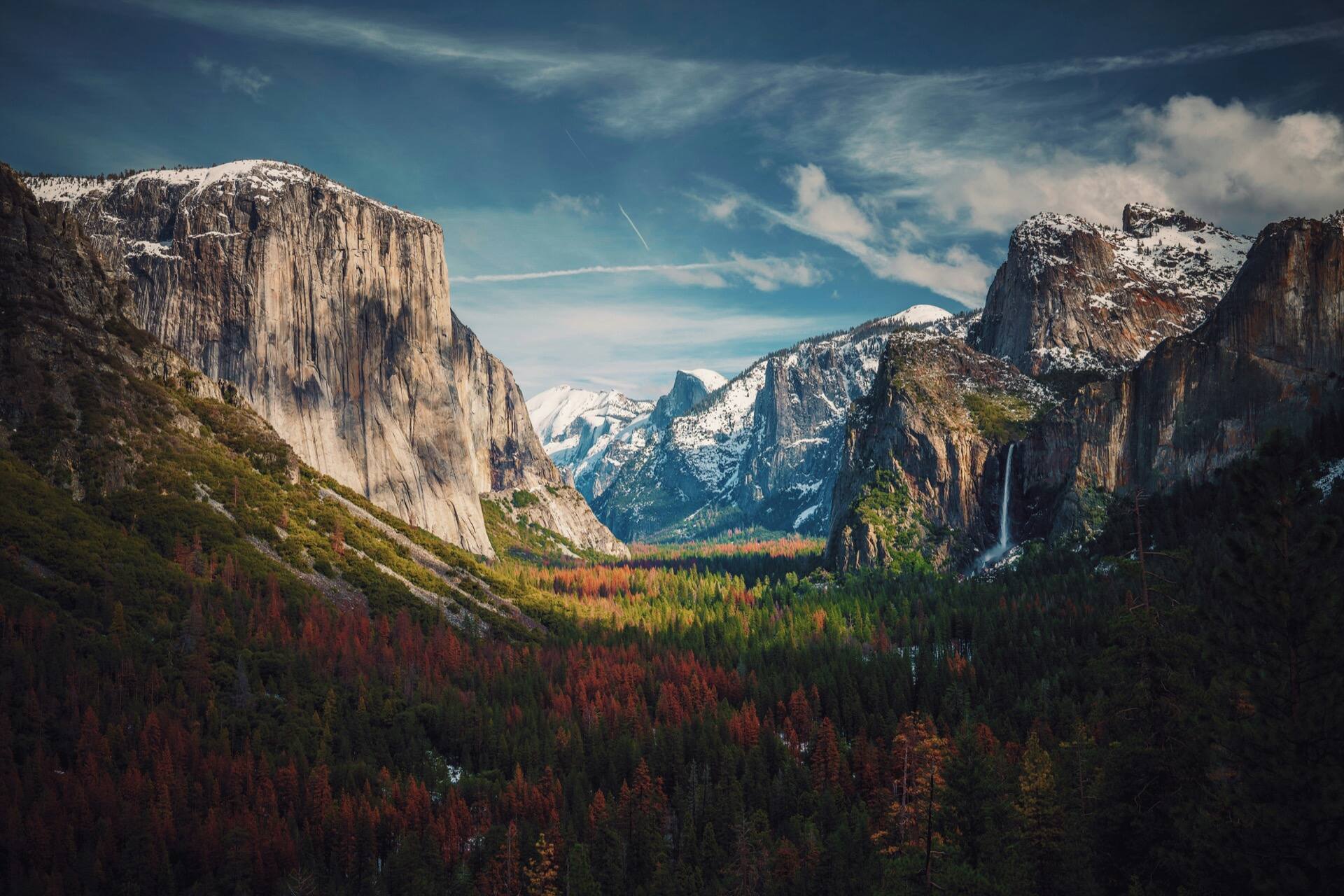
Yosemite Valley
The Valley floor is where most visitors spend their time and for good reason. The scale is difficult to convey — granite walls rise 3,000 feet on either side, waterfalls pour over the rim, and the Merced River winds through meadows that frame it all. The Valley is accessible by car year-round, though tyre chains may be required in winter. A free shuttle bus is the best way to move between trailheads and viewpoints during busy periods.
The best views from the Valley floor are at Tunnel View (the classic postcard angle taking in El Capitan, Bridalveil Fall and Half Dome in a single frame), Valley View and Sentinel Bridge at sunset.
Yosemite Falls
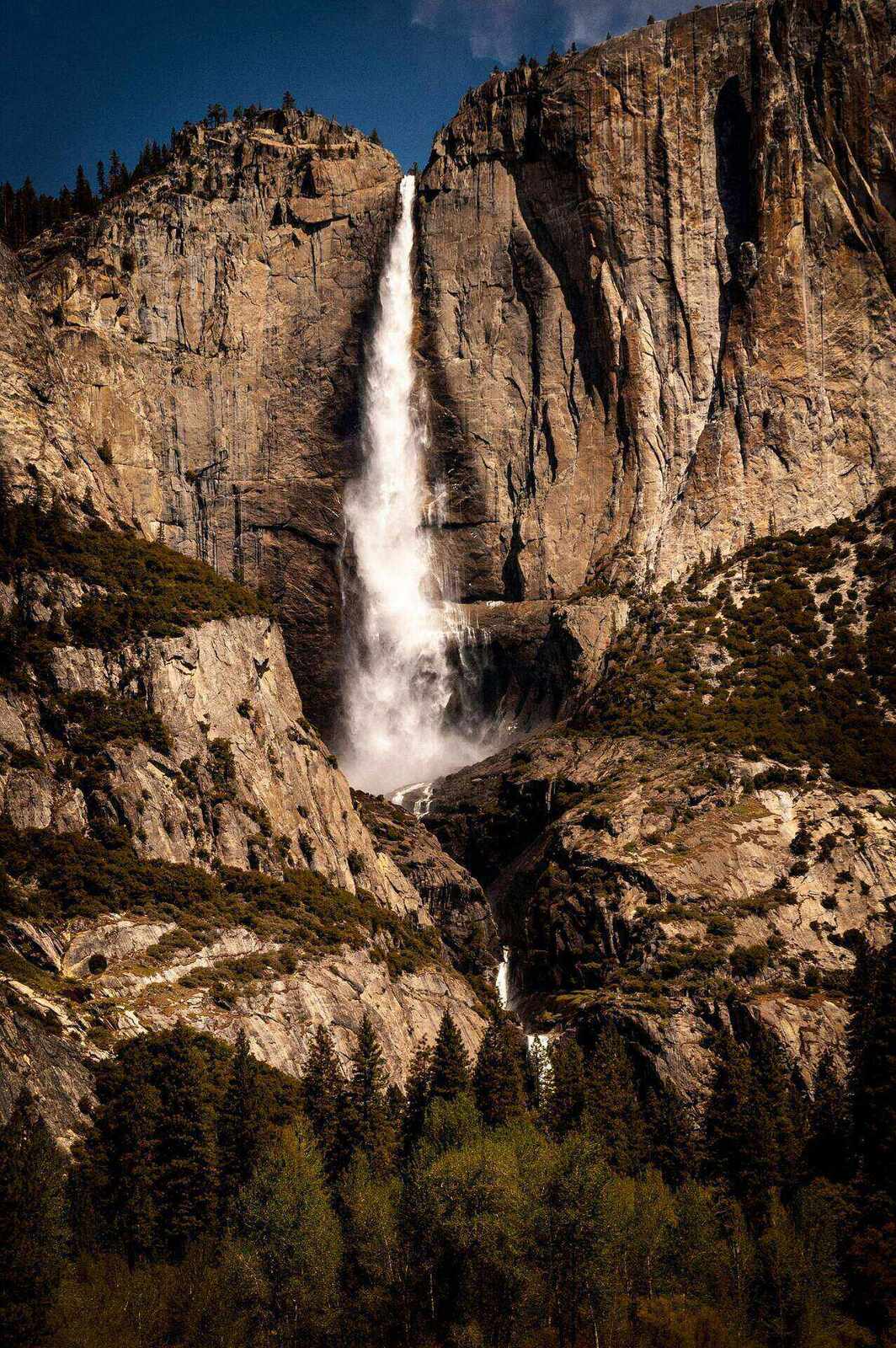
Yosemite Falls is the tallest waterfall in North America — 2,425 feet in three stages. The Upper Fall alone drops 1,430 feet, roughly nine times the height of Niagara. The falls are fed entirely by snowmelt and are at their most powerful in May and June. By late summer in dry years, the falls can slow to a trickle or stop entirely.
The Lower Yosemite Fall trail is a flat, paved one-mile loop from the shuttle stop — the easiest major viewpoint in the park and worth doing even if you have limited time. The Upper Yosemite Fall trail is a strenuous 7.2-mile round trip with 2,700 feet of elevation gain that climbs to the rim above the Upper Fall. The view from the top, looking down the length of the Valley, is one of the great rewards in any national park.
El Capitan
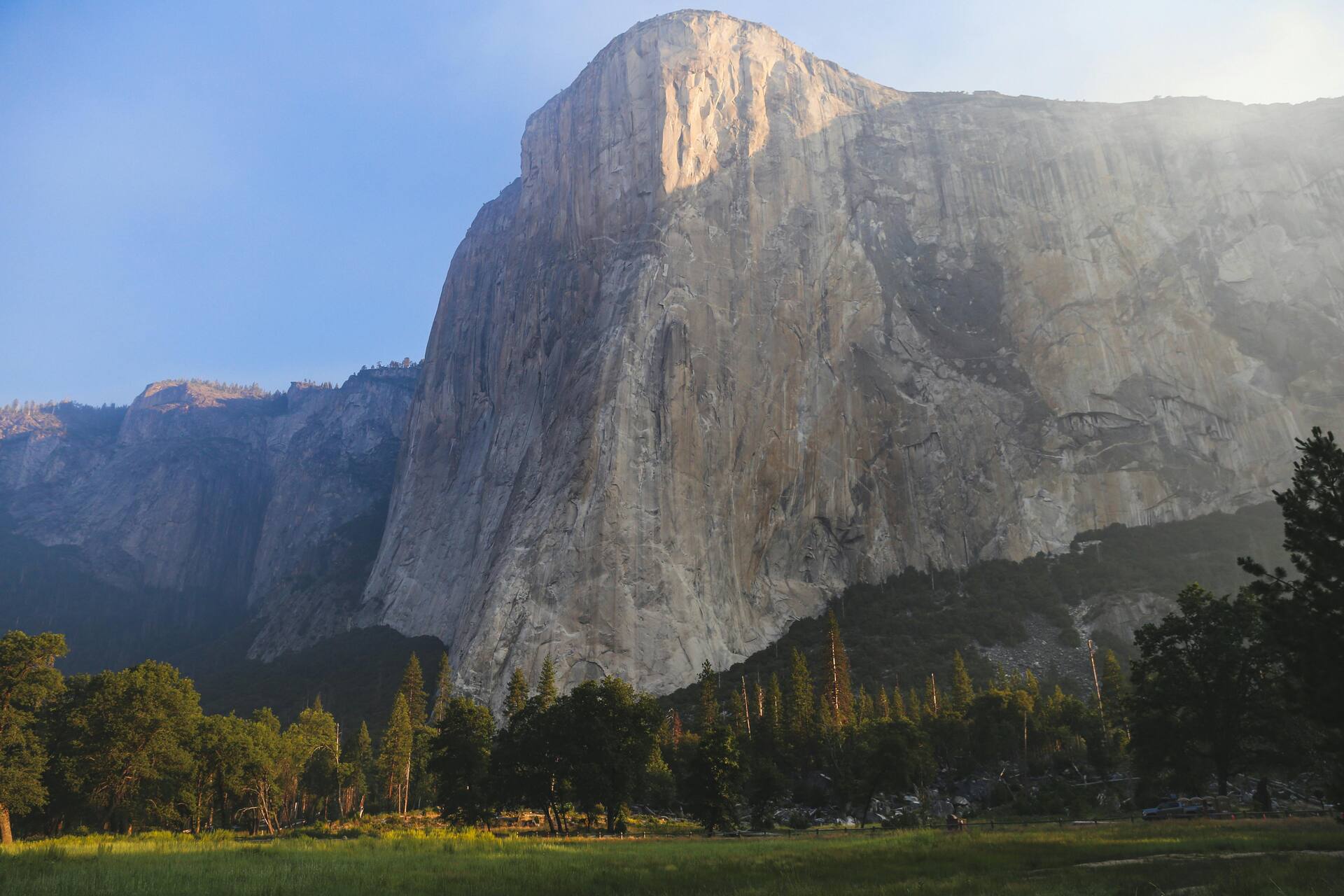
El Capitan is the largest exposed granite monolith in the world — a sheer 3,000-foot wall that dominates the western end of Yosemite Valley. It is the most famous big-wall climbing destination on earth and on any given day you can see climbers on the face, visible as tiny dots against the granite. The Dawn Wall route, free-climbed by Tommy Caldwell and Kevin Jorgeson in 2015, is considered the hardest rock climb ever completed.
For non-climbers, the best views of El Capitan are from El Capitan Meadow on Northside Drive, where you can lie in the grass and watch climbers through binoculars. The meadow is also one of the best sunset spots in the Valley — the last light catches the granite face and turns it gold.
Bridalveil Fall
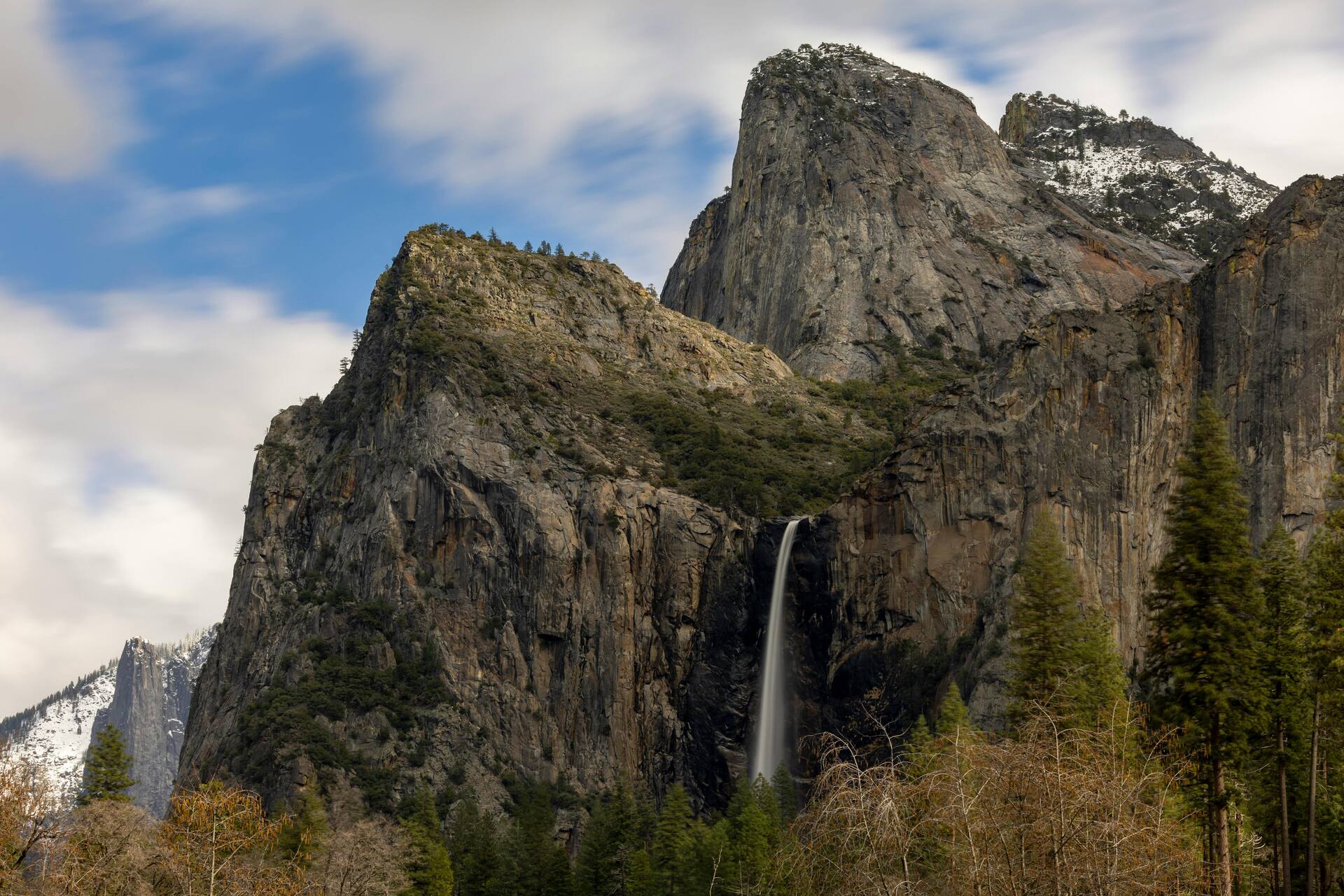
Bridalveil Fall is usually the first waterfall visitors see when entering Yosemite Valley — it is visible from Tunnel View and drops 617 feet from the Valley rim. The fall runs year-round, unlike Yosemite Falls, though the flow varies dramatically with the seasons. In spring, the volume of water creates a powerful mist that drenches the viewing area at the base. The Ahwahneechee people called it Pohono — Spirit of the Puffing Wind — for the gusts that blow the water sideways.
The trail to the base is short and steep — a quarter-mile from the car park with some rocky steps. It is one of the most accessible major viewpoints in the park and worth the five-minute walk even if you are only passing through the Valley.
The Mist Trail and Vernal Fall
The Mist Trail is Yosemite's most popular hike and it earns the name — you will get wet. The trail climbs steeply from the Happy Isles trailhead to Vernal Fall (5.4 miles round trip, 1,000 feet elevation gain) with the option to continue to Nevada Fall (7 miles round trip, 1,900 feet). The granite staircase alongside Vernal Fall, with spray drenching the trail and rainbows forming in the mist, is one of the great hiking experiences in any national park.
Start early — by midday in summer the trail is extremely crowded and the car parks at Happy Isles fill before 9am. The shuttle bus is the most reliable access. Bring a waterproof layer even in July.
Half Dome
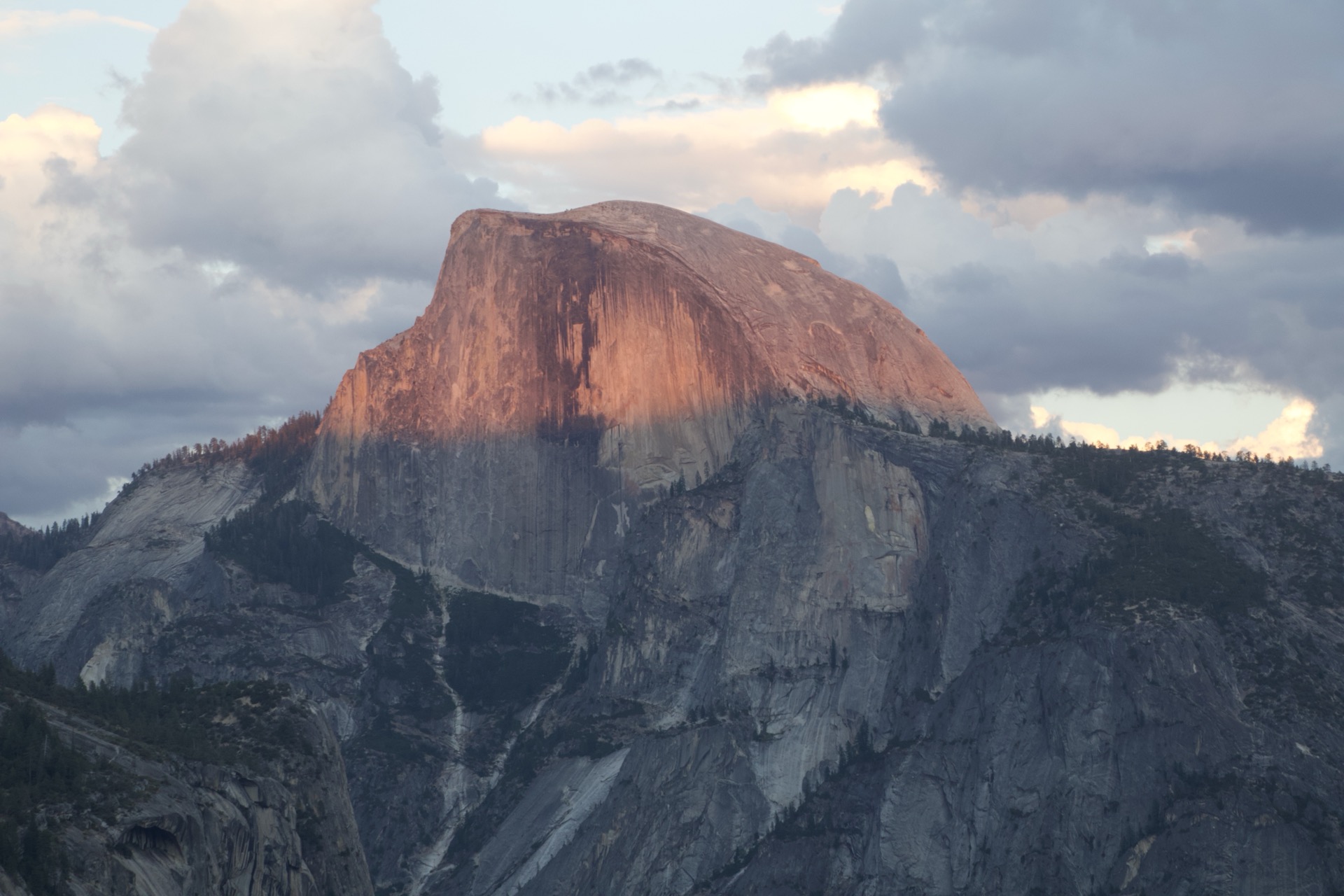
The Half Dome cables route is one of the most famous day hikes in the world — 14 to 16 miles round trip with 4,800 feet of elevation gain, finishing with a climb up the granite dome itself using steel cables bolted into the rock. The cables are installed from late May to early October, weather permitting, and a permit is required (allocated by lottery). The hike takes 10 to 12 hours for most people and is genuinely strenuous.
The view from the top — the entire Valley laid out below, the Sierra Nevada stretching to the horizon in every direction — is worth every step. If the cables route is too ambitious, Glacier Point gives a comparable view of Half Dome from across the Valley and is accessible by car from late May to November.
Glacier Point
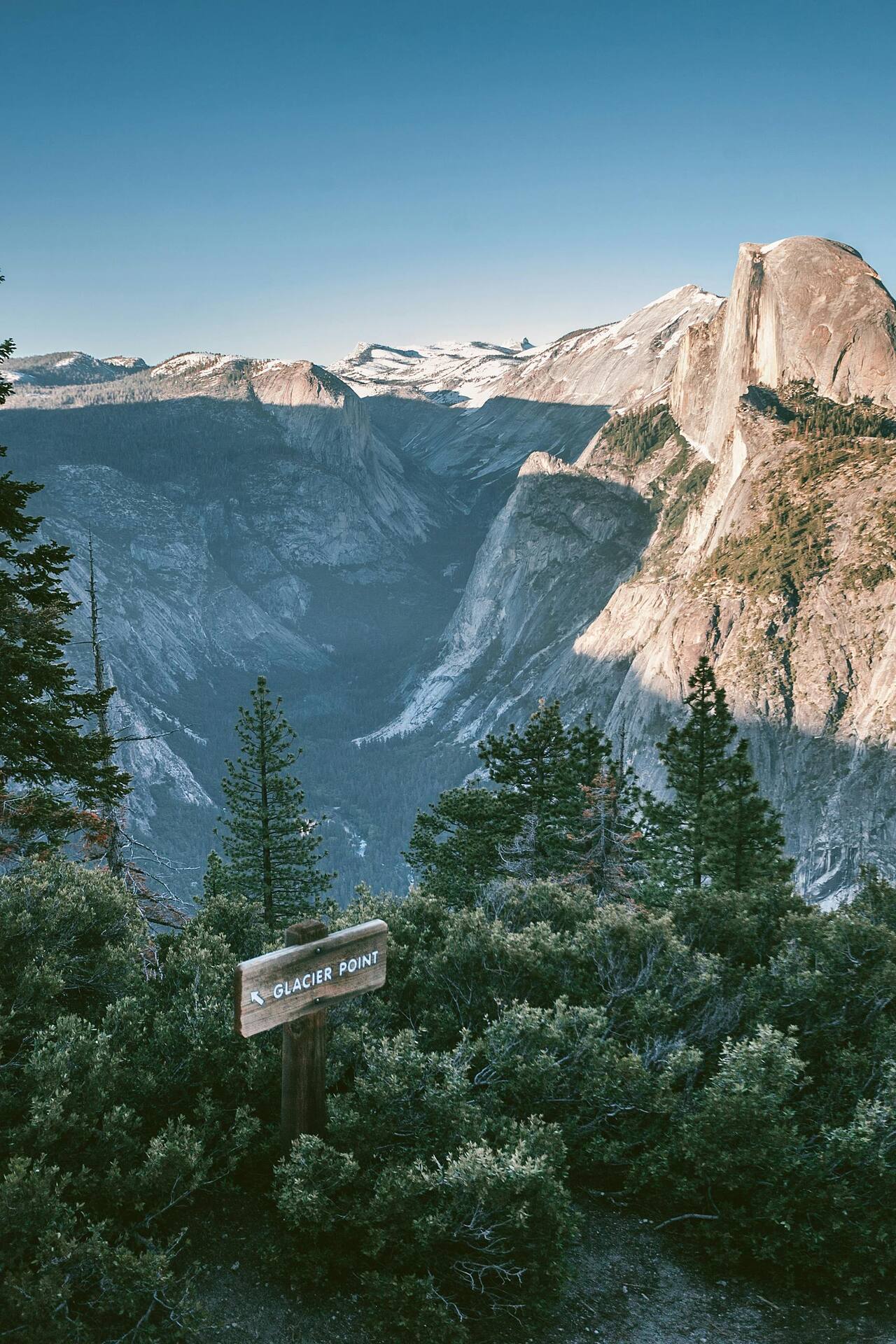
Glacier Point is the single best viewpoint in Yosemite — a 7,214-foot overlook on the south rim of the Valley that puts Half Dome directly at eye level across the canyon, with Vernal and Nevada Falls visible below and the High Sierra stretching to the horizon. It is accessible by car via Glacier Point Road from late May to November (the road closes in winter) and the drive from the Valley takes about an hour.
For the more ambitious, the Four Mile Trail climbs 3,200 feet from the Valley floor to Glacier Point in 4.8 miles (despite the name). The trail is steep and exposed but the arrival at the rim is one of the great moments in any national park. An alternative is to drive up and hike down — considerably easier on the legs.
The Firefall
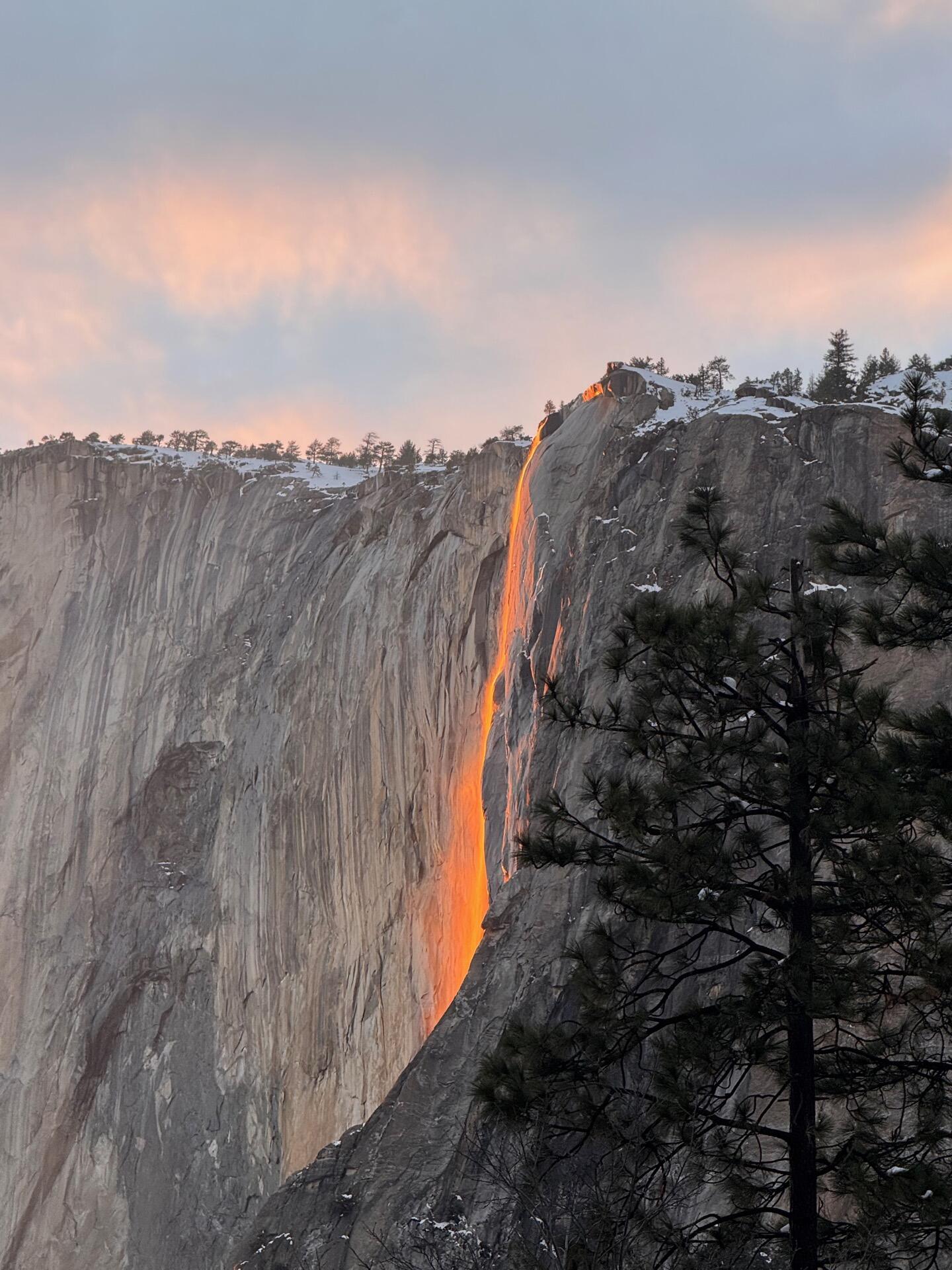
For roughly two weeks in mid-to-late February, the setting sun lights up Horsetail Fall on the eastern face of El Capitan, creating the illusion that the waterfall is made of fire. The Firefall is entirely weather-dependent — it requires clear skies, enough snowmelt to feed the fall and the right sun angle. When conditions align, it is one of the most extraordinary natural phenomena in any national park.
The park service manages access during Firefall season with shuttle buses and designated viewing areas. Arrive early — viewing spots fill hours before sunset. The best vantage point is from the El Capitan picnic area on Northside Drive.
Tuolumne Meadows
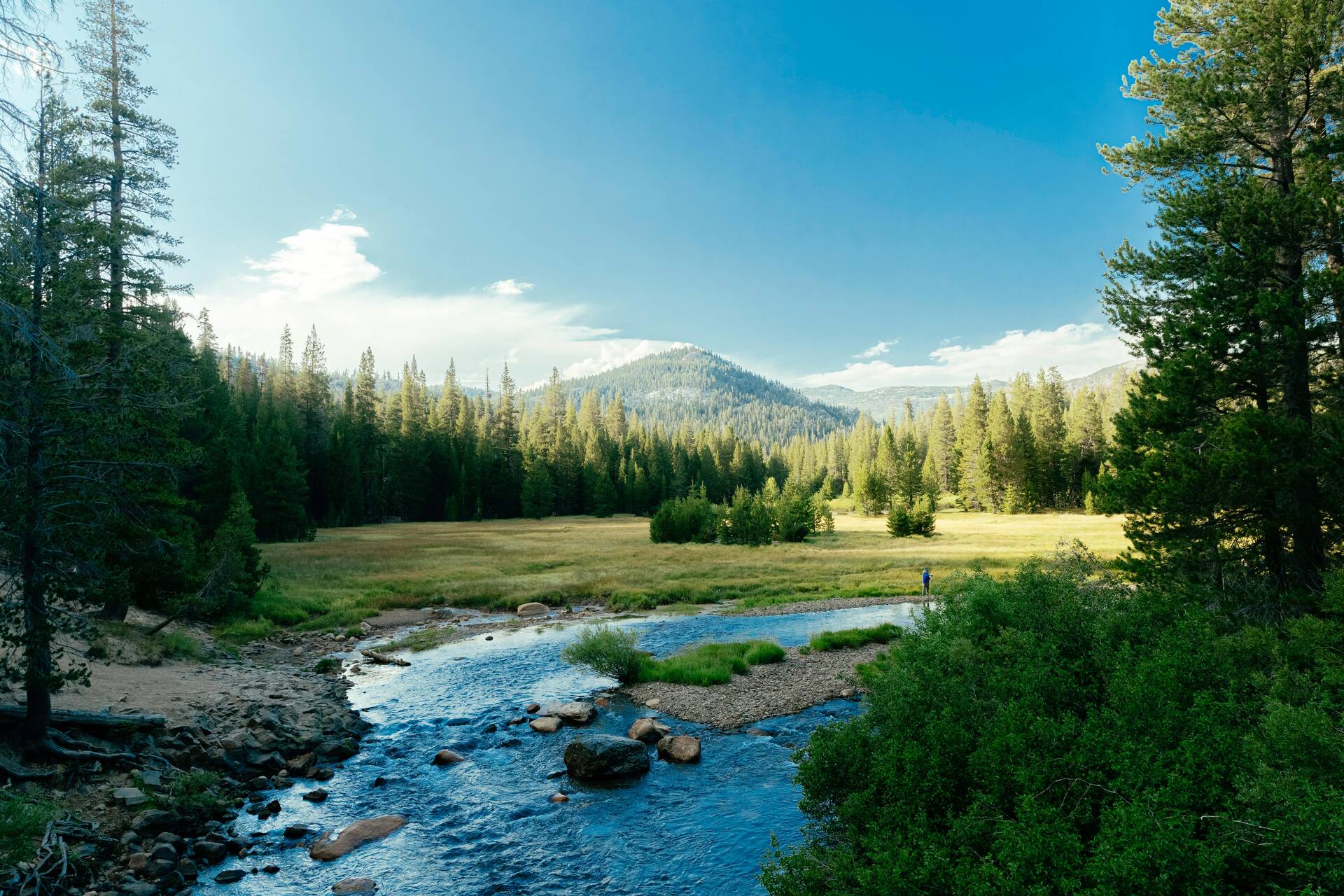
Tuolumne Meadows is Yosemite's high country — an 8,600-foot alpine meadow on the Tioga Road (Highway 120) that feels like an entirely different park from the Valley below. The meadows are vast, ringed by granite domes and peaks, with the Tuolumne River winding through them. The landscape is open and expansive where the Valley is enclosed and dramatic. Most visitors never make it here, which is part of the appeal.
Tioga Road is open from late May or June to November, depending on snowfall. The drive from the Valley takes about 90 minutes and climbs through forests and past Tenaya Lake before opening out into the meadows. The Lembert Dome trail (2.8 miles round trip) gives a panoramic view of the meadows from above. The Cathedral Lakes trail (7 miles round trip) is one of the finest day hikes in the Sierra Nevada — two alpine lakes set beneath the granite spires of Cathedral Peak.
Practical information
Yosemite is approximately 170 miles east of San Francisco (3.5 to 4 hours driving) or 280 miles north of Los Angeles (5 to 6 hours). The most common approach from San Francisco is via Highway 120 through the Big Oak Flat entrance on the western side.
Entry fee: The $250 Non-Resident Annual Pass covers all national parks for one year for up to four adults (16+) and children under 16 — for most British visitors it is the only option that makes sense. See our 2026 National Park Fees page for a full breakdown.
When to go: May to October for the best weather and full access. July and August are the busiest months. September and early October offer warm days, fewer crowds and golden light. Winter visits are quieter and the Valley is beautiful under snow, but some roads and facilities close.
Where to stay: Inside the park, The Ahwahnee (now The Majestic Yosemite Hotel) is the landmark lodge. Curry Village offers canvas tent cabins at a lower price point. Outside the park, Mariposa and El Portal have hotels and vacation rentals. Book months in advance for summer stays.
Reservations: Yosemite requires advance entry reservations during peak periods (typically April to October). Check the park service website for current requirements and book early — slots release in batches and sell out quickly.